
Using Real-Time Data to Mitigate Operational Risks
Detecting Hidden Crossflow Using Downhole Accelerometer Data
Challenge
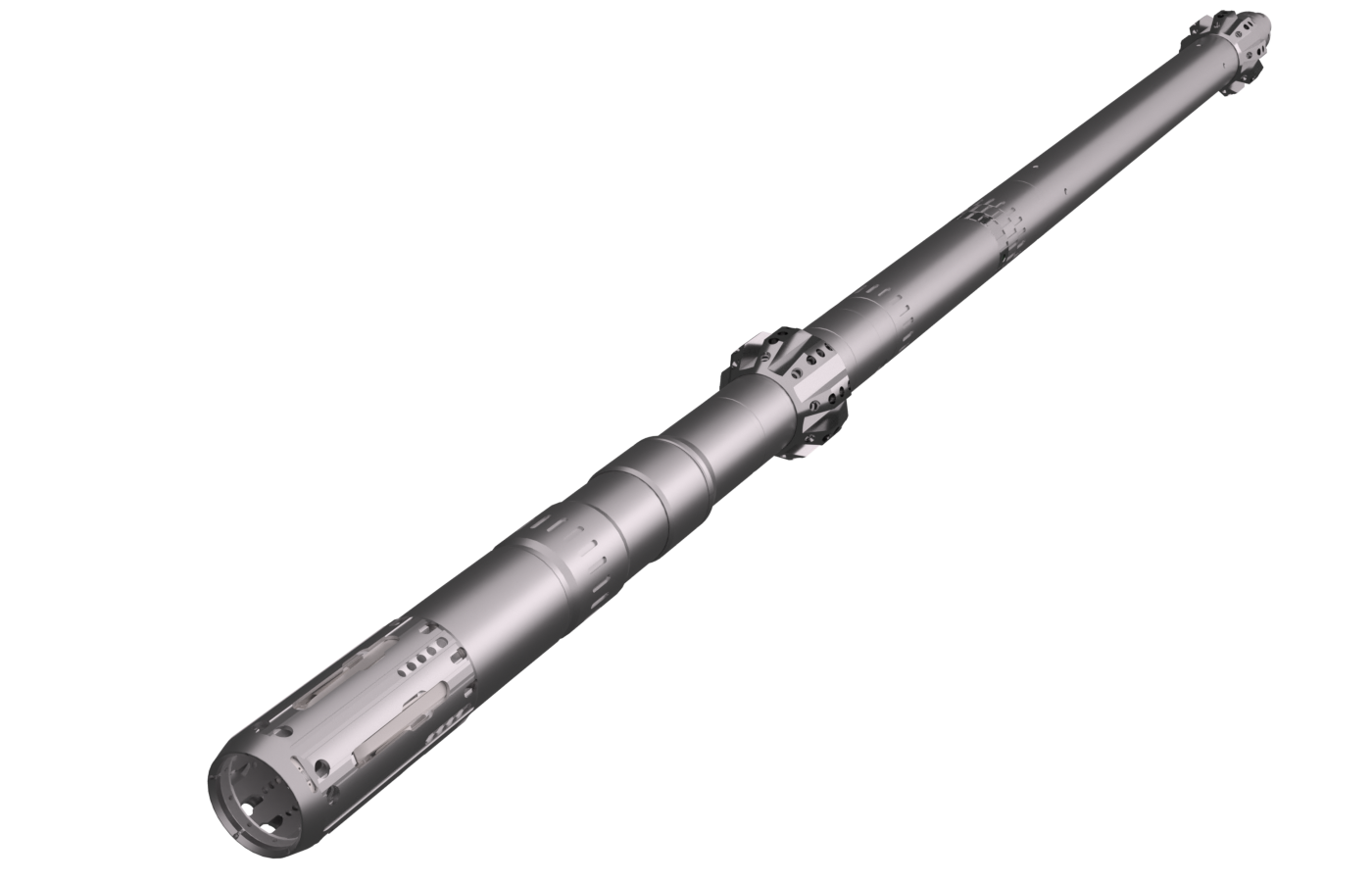
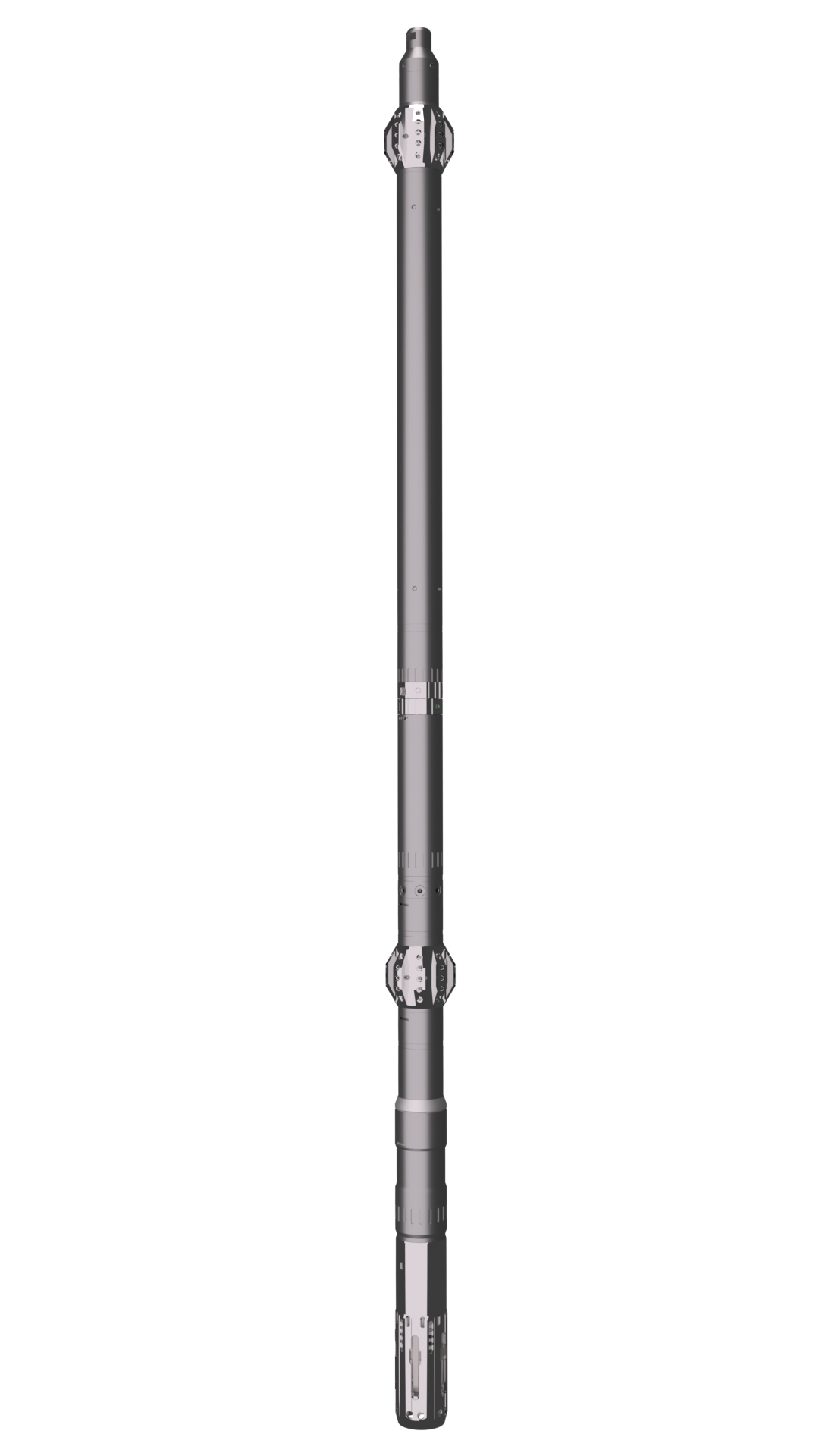
An operating company in the Middle East deployed the multi-set retrievable TorcPlug as a temporary barrier to isolate a lower perforated zone enabling safe perforation, stimulation, and testing operations in the upper zone.
Prior to retrieval of the TorcPlug pressure across the isolated zones was equalized and monitored using the EMT's onboard sesors. Although downhole pressure stabilized after the pre-defined equalization period the risk of undetected crossflow across the plug remained, and could not be reliably identified through pressure monitoring alone.
The operator required an additional method to detect and assess potential crossflow between zones. Understanding the likelihood and direction of flow prior to retrieving the plug was critical to prevent damage or loss of sealing element.
Solution
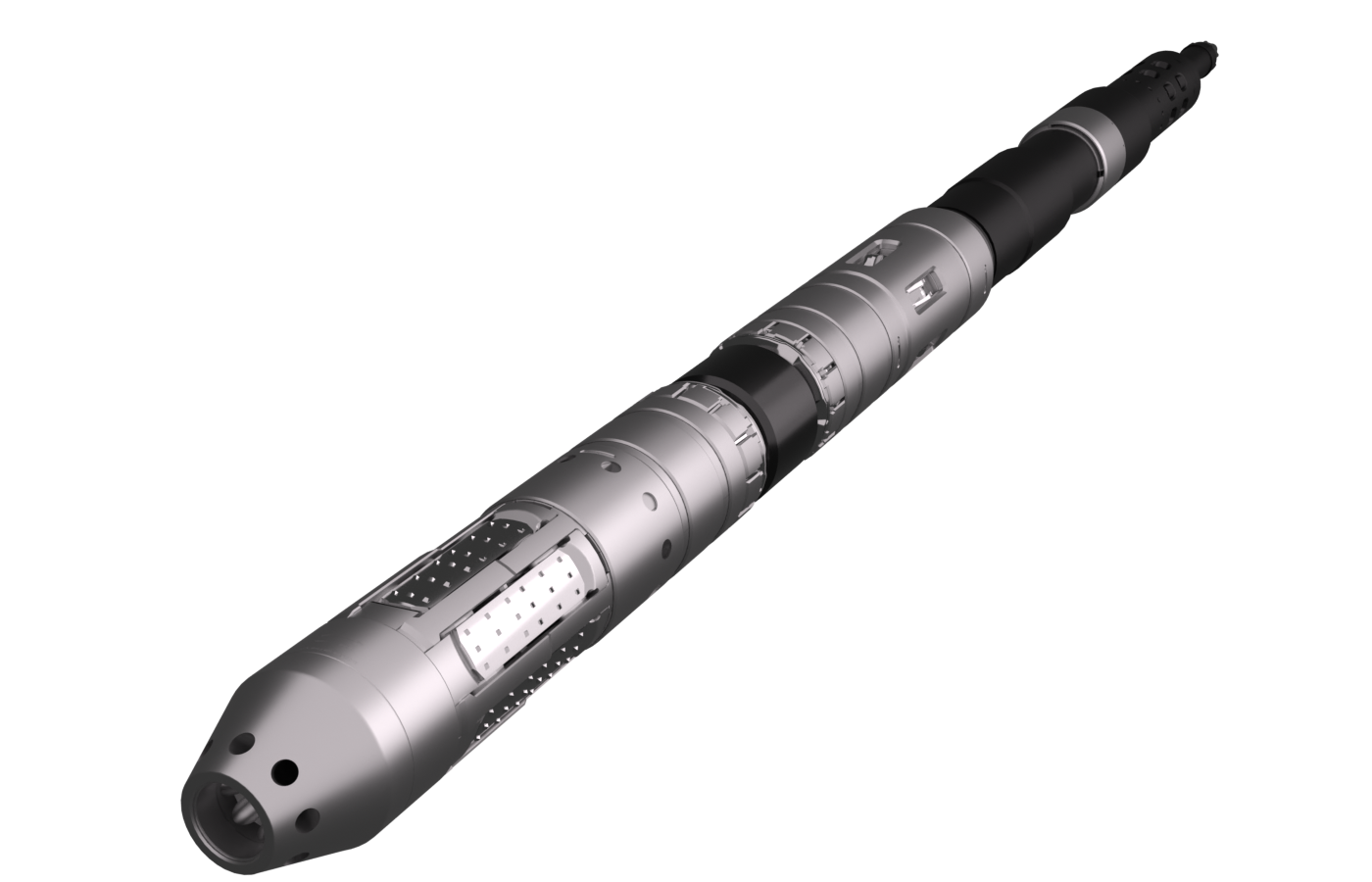
The utilization of the Electric Manipulation Tool (EMT) equipped with a built-in accelerometer enabled detection of downhole vibration before, during, and after pressure equalization.
Accelerometer data identified continuous fluid movement across the TorcPlug, even when pressure readings appeared stable. Based on this information, corrective actions such as applying controlled tension or compression in the opposing direction of the crossflow were implemented in order to maintain integrity of the further retrieval operation.
Value Created
- Provided an additional verification layer to confirm the absence of crossflow prior to retrieveing the TorcPlug
- Reduced the risk of damaging or complete loss of the sealing element, avoiding unplanned interventions/fishing operation
- Enabled the TorcPlug to be safely repositioned for isolation of additional zones, extending tool usability and operational efficiency