

Establishing Annular Communication for Remedial Cementing
Utilizing the TorcPuncher for 9 5/8" Tubulars.
Challenge
A prominent operator in the Middle East faced the critical task of performing a remedial cement job in the B annulus between the 9-⅝" and 13-⅜" casing.
Establishing communication between the wellbore and the B annulus was required to enable effective cement placement. However, conventional perforation technologies such as perforating guns posed a significant risk of damaging the outer 13-⅜" casing, which could compromise well integrity.
Because of this risk, the operator sought an alternative solution capable of creating controlled casing penetrations without jeopardizing the outer casing.
Solution
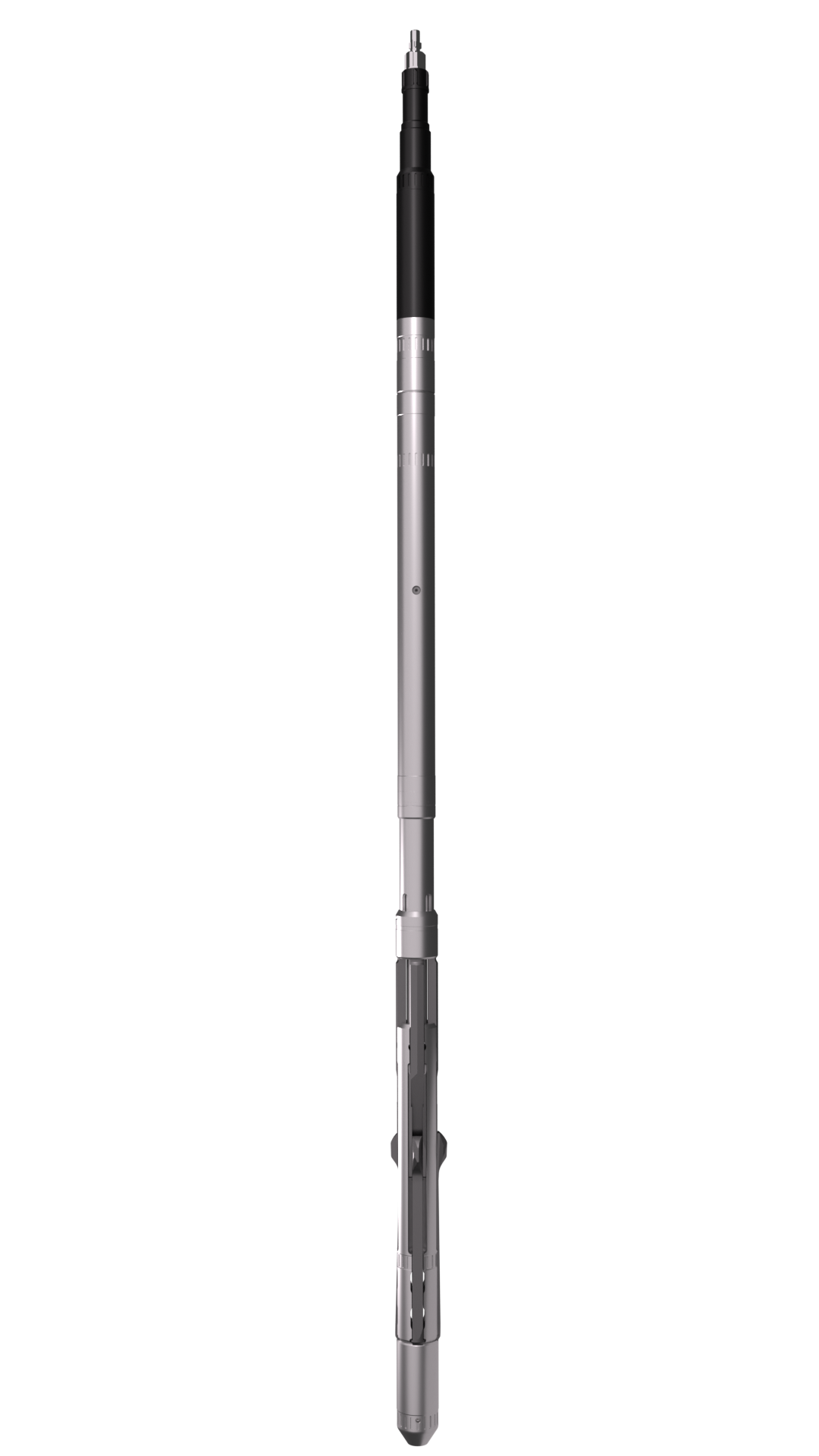
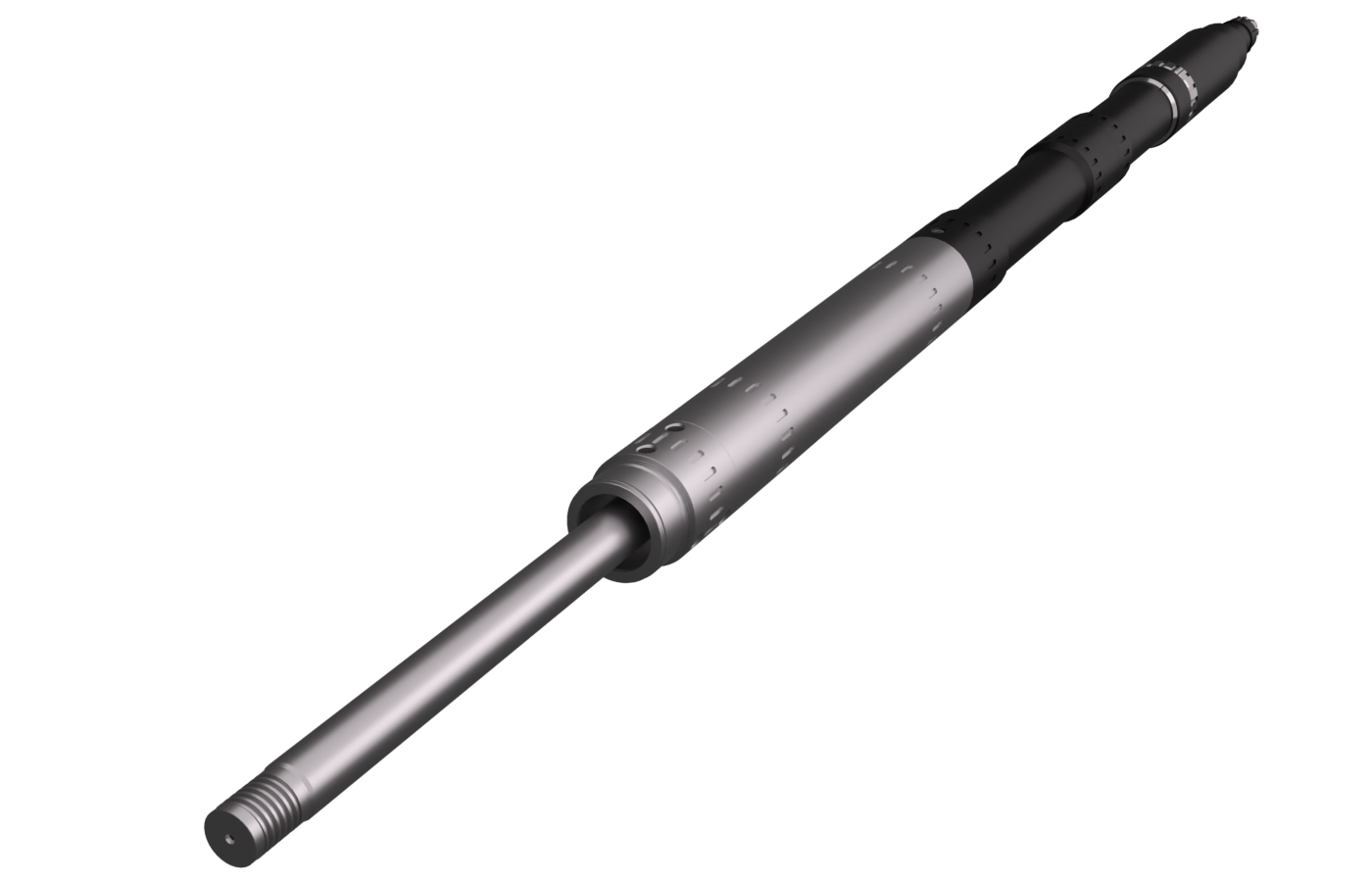
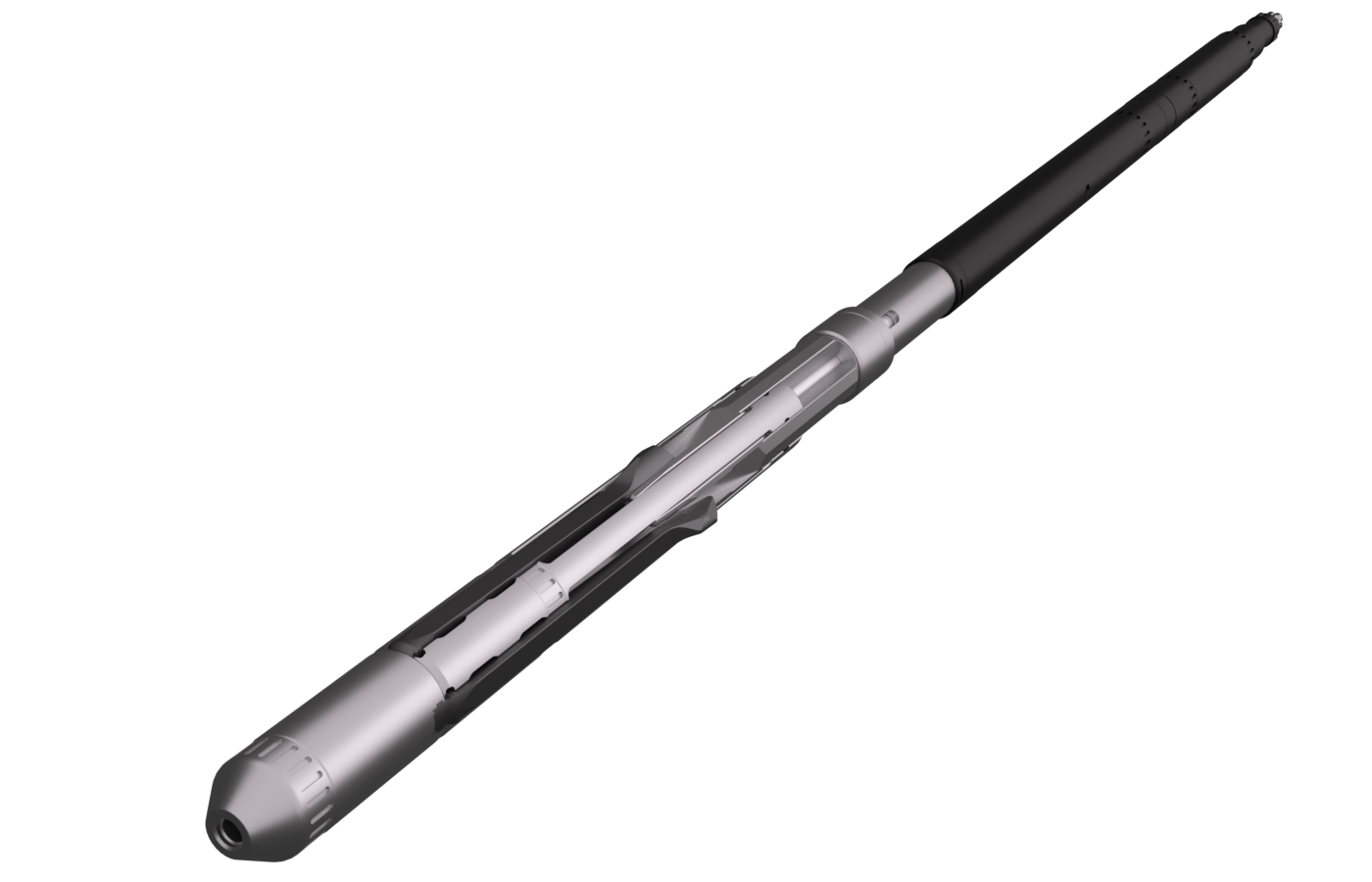
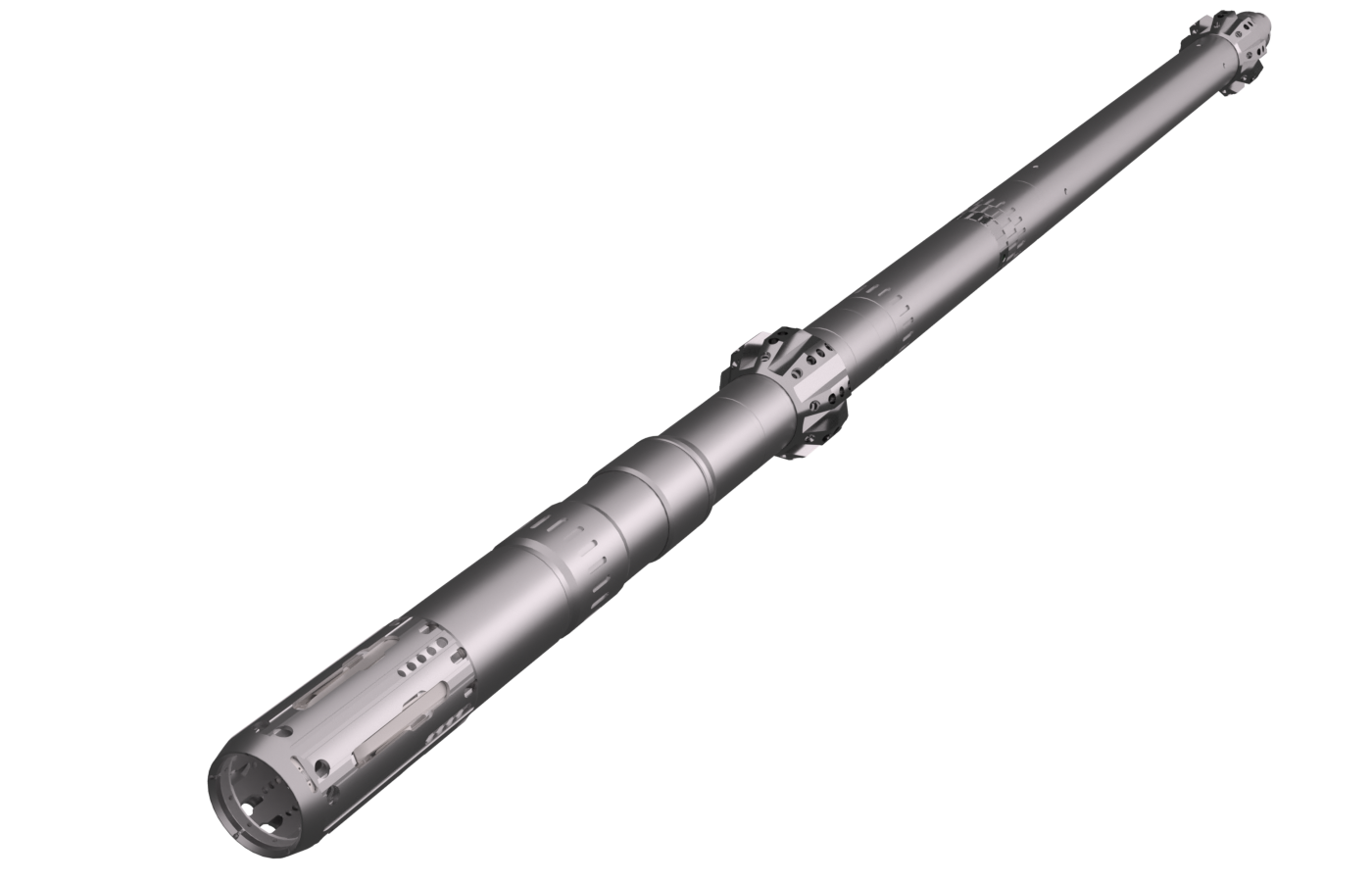
To mitigate these risks, the operator selected the 9-⅝" TorcPuncher, deploying it for the very first time, to establish controlled communication between the wellbore and the B annulus.
-
Rigless deployment (E-line)
The tool can be conveyed on e-line, eliminating the need for a rig and reducing operational costs and time.
-
Large total flow area (TFA) per activation
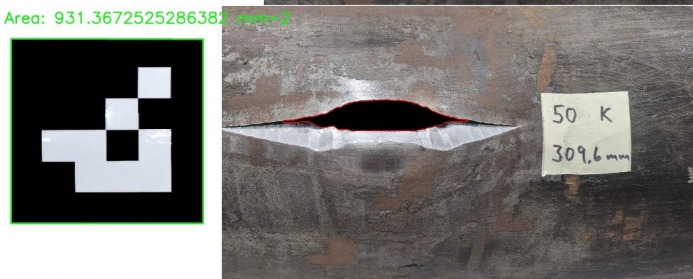
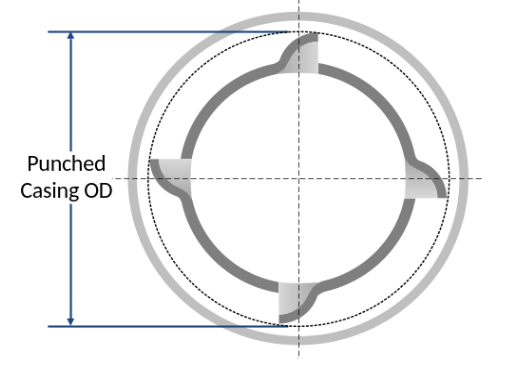
Each puncher activation creates a significant flow area, enabling effective communication between the wellbore and annulus. Based on previous calibration, one activation would create a total flow area of ~5.77 in², while still keeping the punched casing outer diameter within requirements.
-
Multiple activations in a single run
Multiple punchers can be activated during a single run, removing the need to retrieve and redress the tool between operations.
-
Controlled punch diameter
The TorcPuncher mechanically punches the inner casing, providing a precise and controlled penetration while limiting the risk of damage to the outer casing.
Execution
The TorcPuncher was deployed on e-line with the initial plan to perform a punch above the previously identified top of cement to establish communication between the wellbore and the B annulus. After each activation, circulation was attempted from the annulus side while monitoring pressure response and flow rate to verify communication.
A total of three puncher activations were performed, with the toolstring repositioned approximately 120 ft higher between each activation. Following each attempt, circulation testing showed no pressure response or flow, indicating that communication between the wellbore and the B annulus had not been established.
The toolstring was subsequently retrieved and reverse circulation from the annular side was performed to further verify the results. This confirmed that no communication existed between the wellbore and the B annulus.
Based on these observations, it was suspected that the top of cement had been incorrectly identified or that an obstruction higher in the annulus was preventing fluid flow. It was therefore decided to create an additional punch at a higher depth.
The client opted to conduct an Isolation Scanner log from a third-party service provider to obtain a full 360-degree representation of the well integrity, which could also pinpoint the exact location of the obstruction.
Based on the results of the logging run, a suspected blockage in the B annulus was found preventing circulation. In addition, the annulus below the observed obstruction was filled with brine where it had previously been thought to be empty — confirming that the earlier punching runs had in fact been successful.
The TorcPuncher was again deployed on e-line to perform a punch above the identified obstruction.
After the punching operation, the B annulus was circulated to verify communication, with good returns observed. The punch was confirmed to have been executed successfully.
Feedback from customer
The operation presented a unique challenge, requiring annular communication to be established while minimizing the risk to the 13-3/8” casing. The performance of the TorcPuncher and the professionalism demonstrated by the E Plug team throughout the planning and execution phases were highly valued.
Particularly noteworthy was the ability to perform multiple activations within a single deployment, enabling efficient assessment of several depths and contributing to a safe and effective outcome. The technology's flexibility, coupled with your team's technical support, played an important role in the overall success of the operation.
We appreciate the commitment, responsiveness, and collaborative approach shown by E Plug and look forward to working together on future opportunities.
.jpg)